MCA-Approved STCW basic training
WHAT IS STCW? AND WHY DO I NEED IT?
STCW stands for Standards of Training, Certification and Watchkeeping for Seafarers.
It establishes international standards for the training and certification of seafarers, including the fundamental safety training required for people working at sea.
If you’re planning to work professionally onboard, STCW isn’t simply a nice qualification to add to your CV.
It’s fundamental safety training for a professional career at sea.
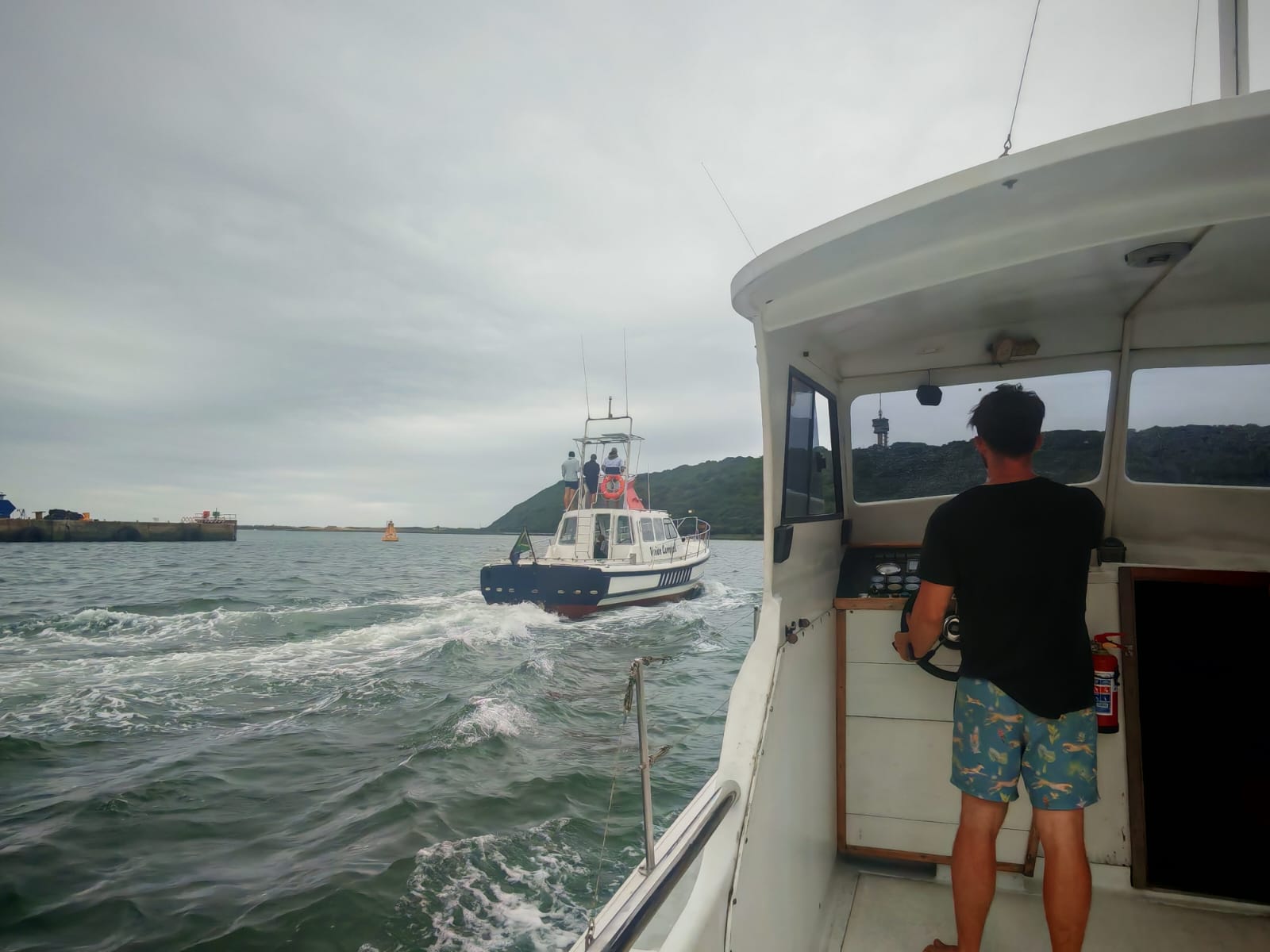
Whether your goal is to work aboard a superyacht, commercial vessel or elsewhere in the maritime industry, STCW Basic Training teaches you how to respond to some of the most serious situations you could encounter onboard.
Fire. Injury. Abandoning ship. Survival at sea. Security threats.
You need to know what to do when it matters.
That’s why STCW should be one of the very first things you consider when preparing for a professional maritime career.
Duration: Up to 10 working days
Location: PYT Durban, South Africa
Courses: Run monthly, usually beginning on a Monday
Training: Theory + hands-on practical training
Certification: Certificates issued upon successful completion of each required element
Course Fee: 15 000 Ex PDSD – R18 000 Inc PDSD
Next Course: Check Calendar
FIVE ESSENTIAL AREAS OF TRAINING.
Your required STCW Basic Training covers five key areas:
A-VI/1-1
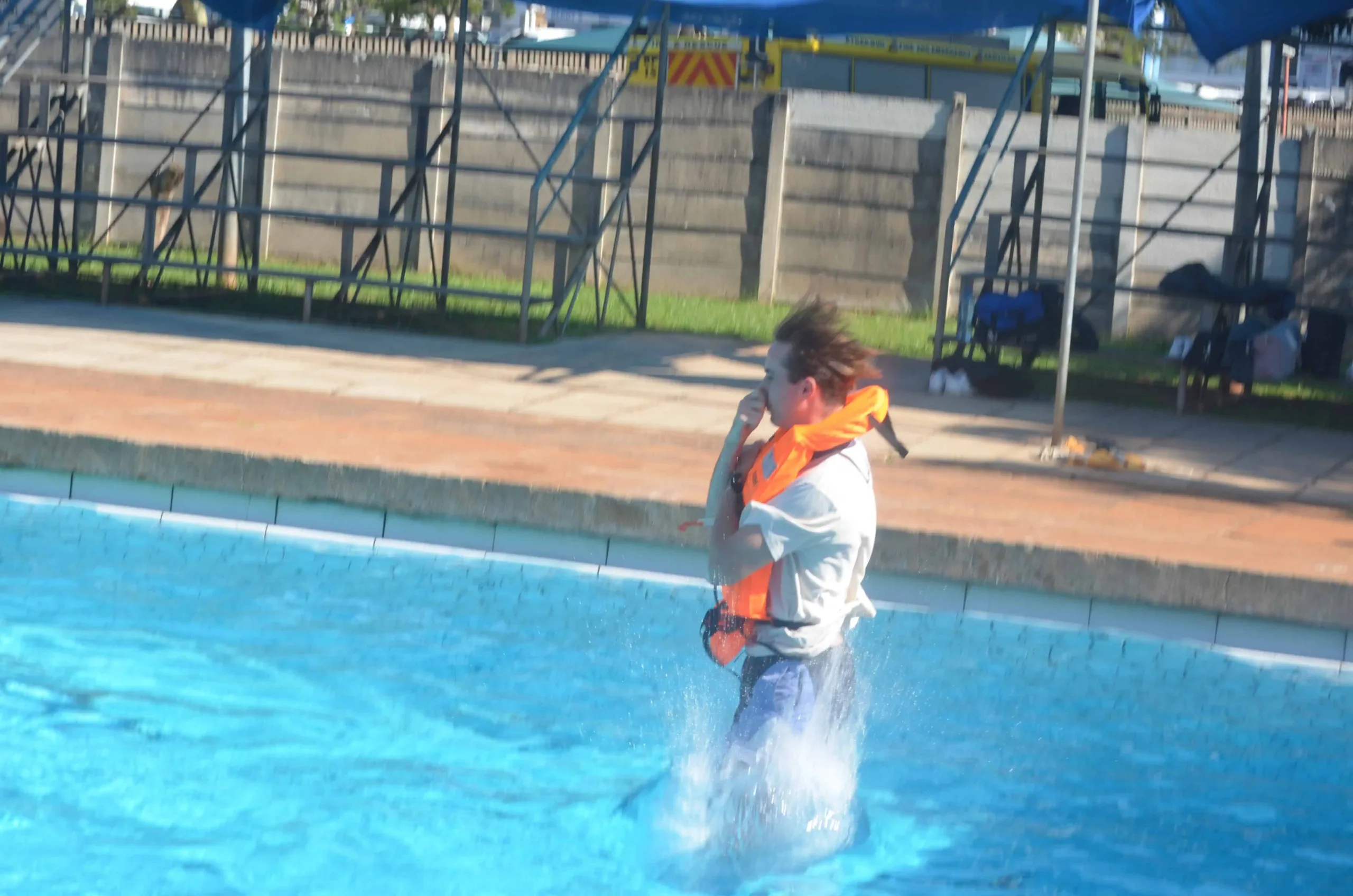
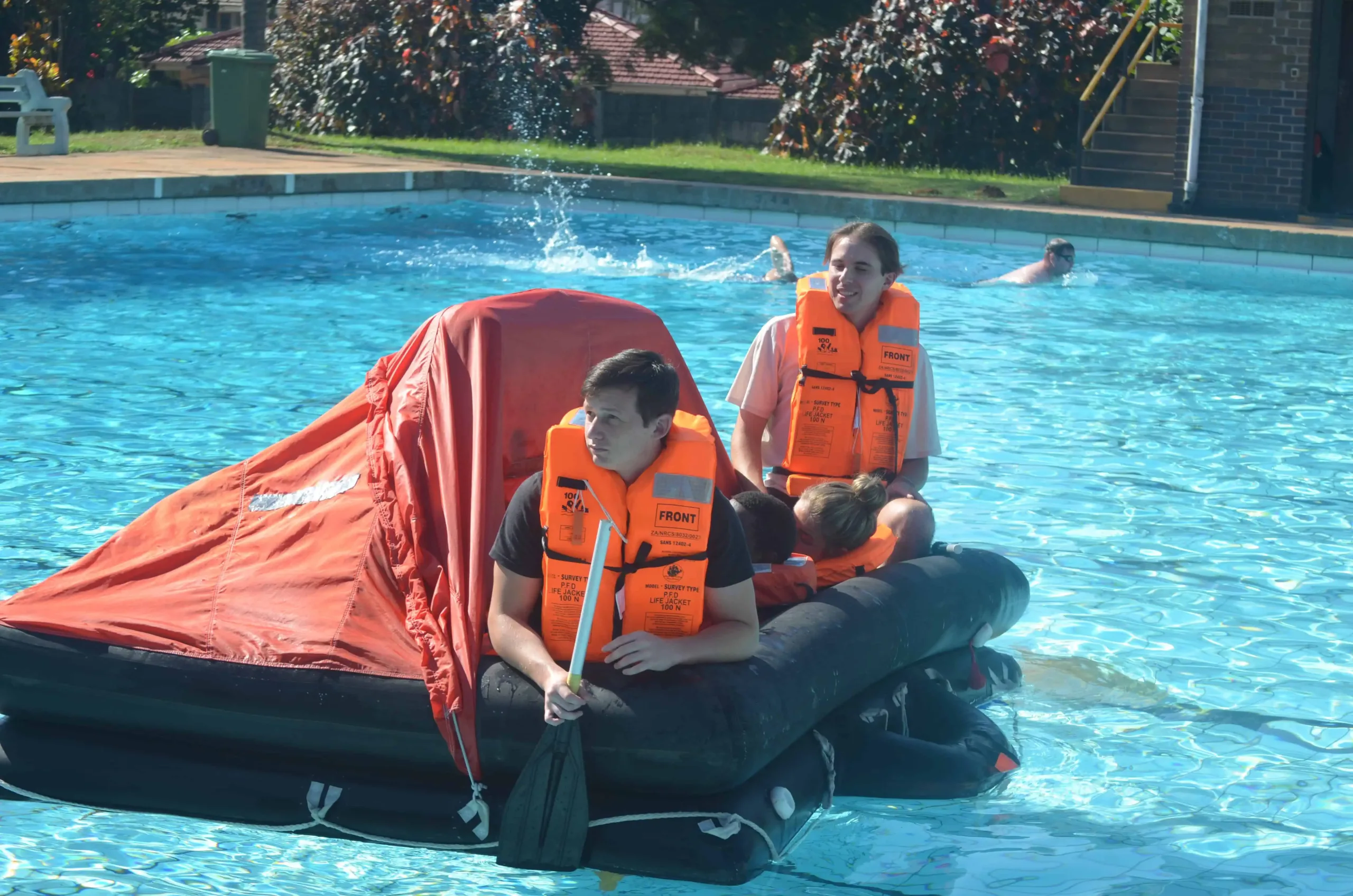
Learn how to survive an emergency at sea.
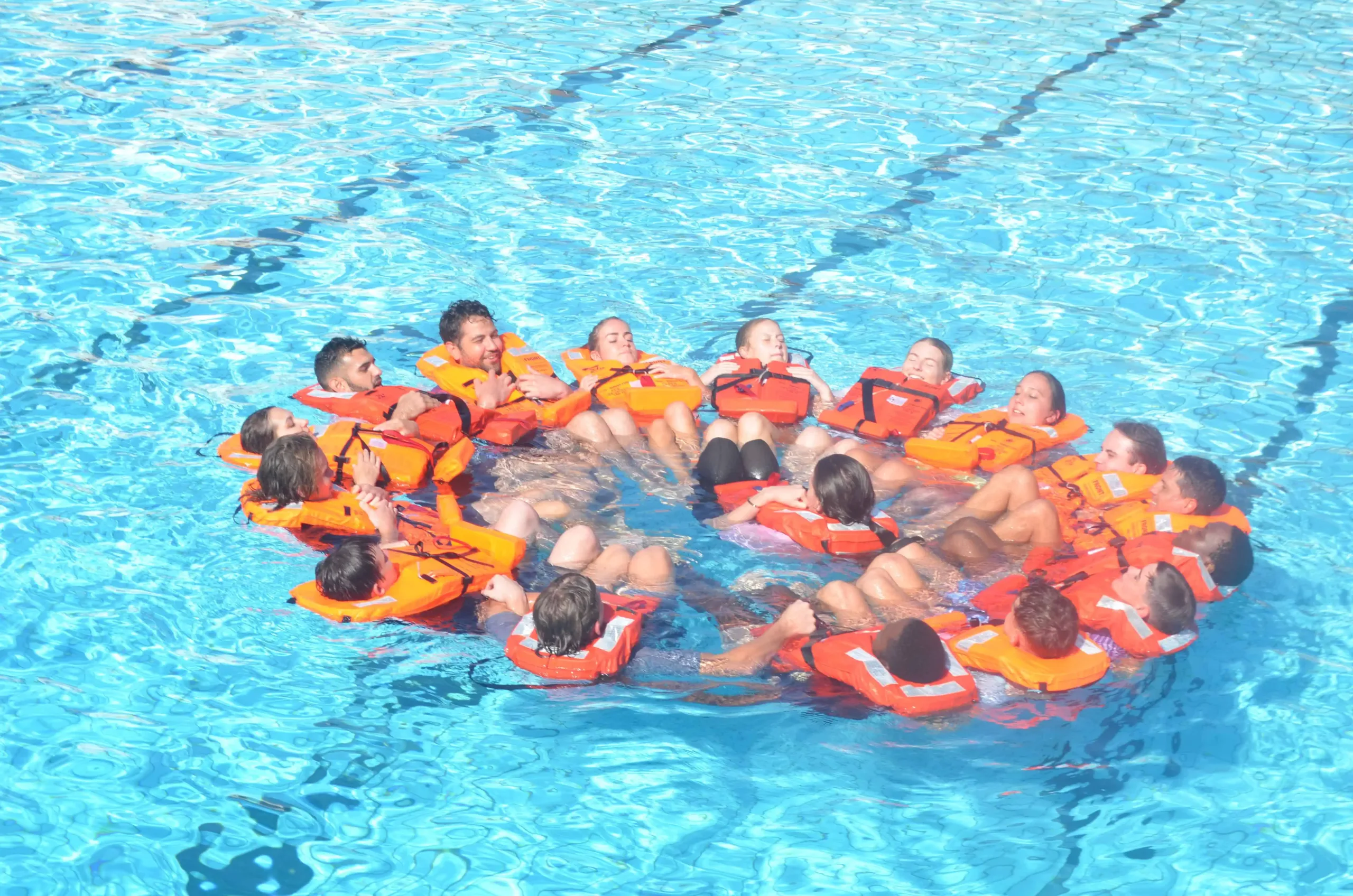
This module combines theory, practical training and an examination to teach essential survival-at-sea techniques.
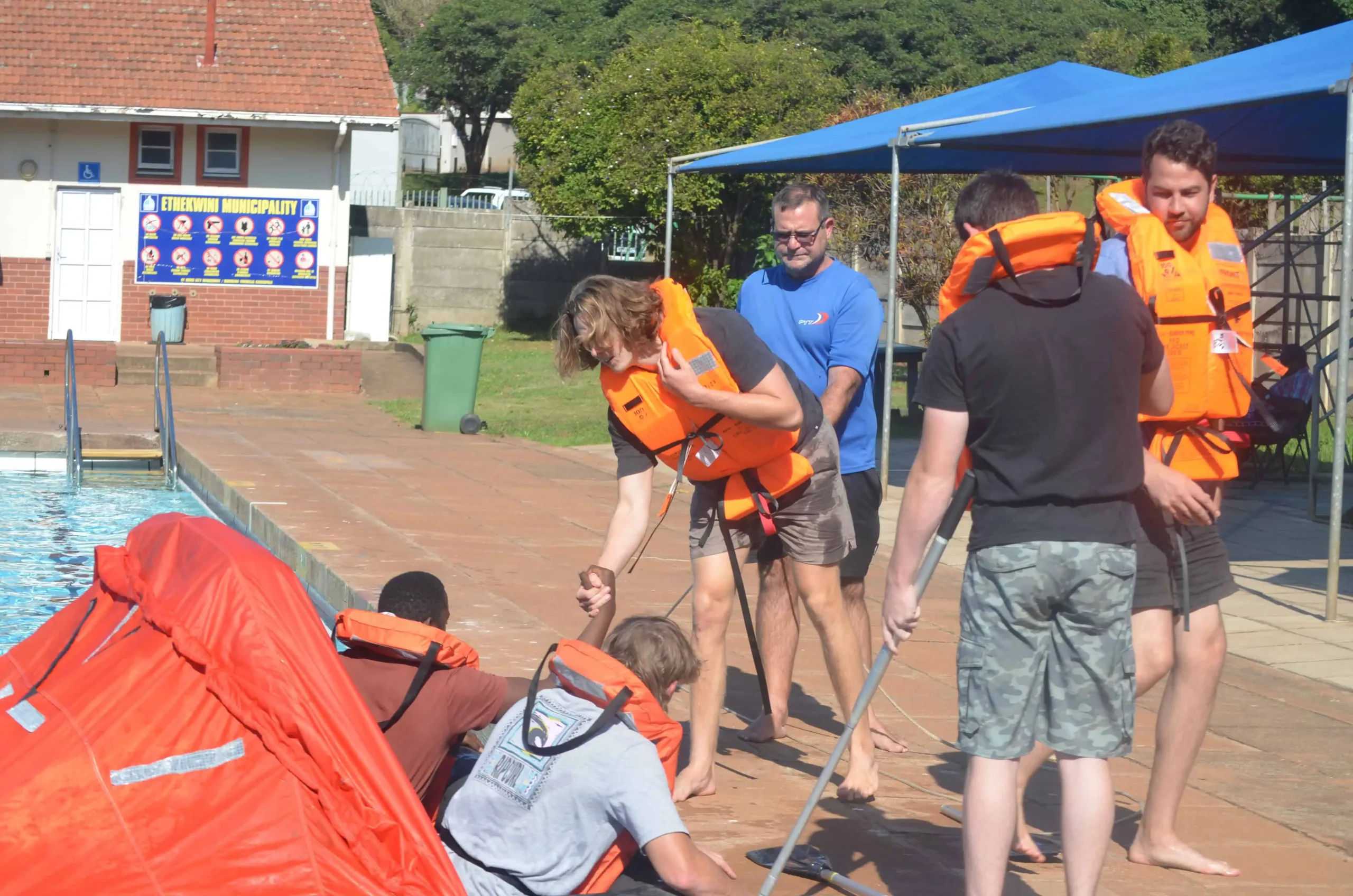
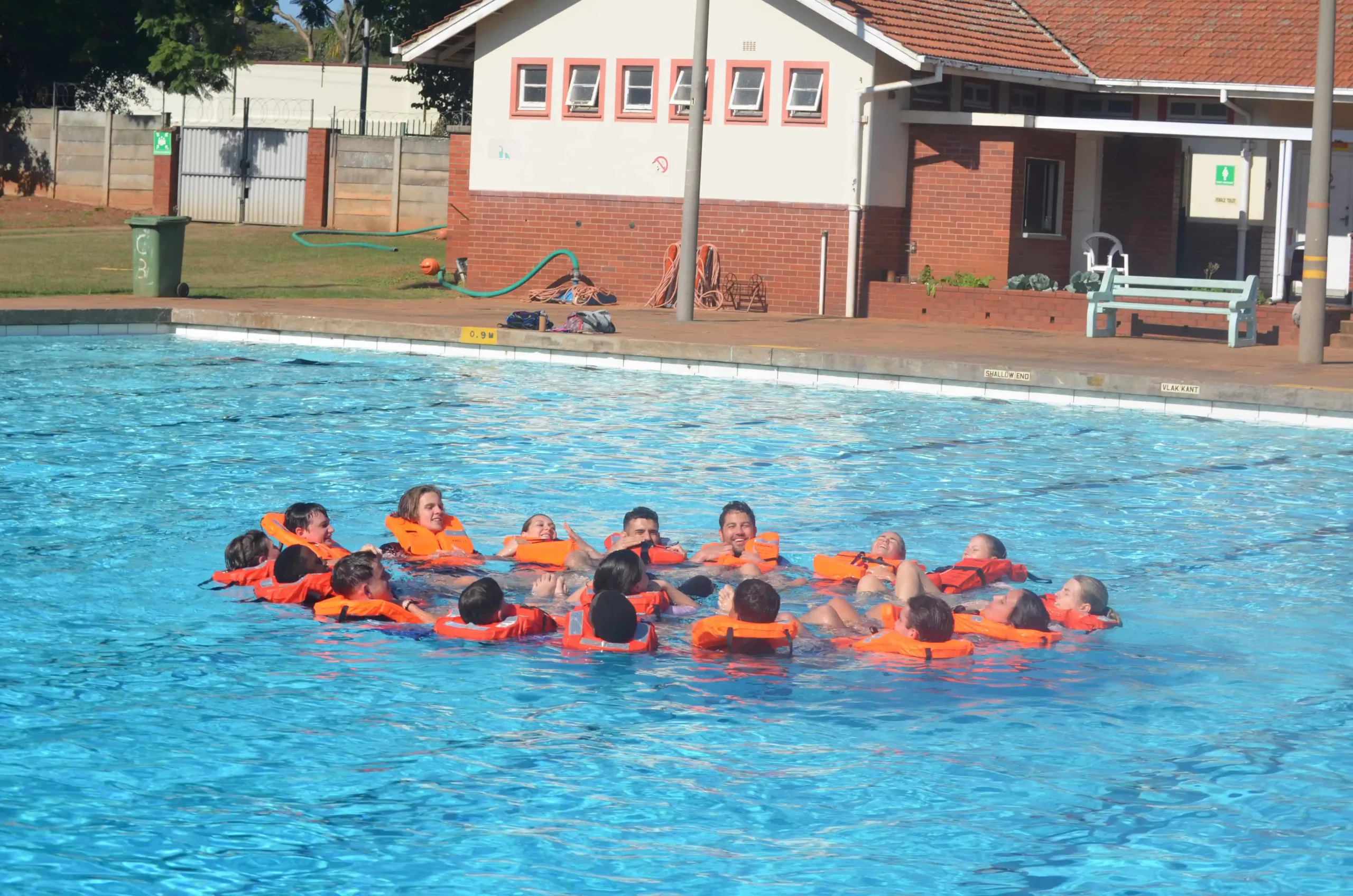
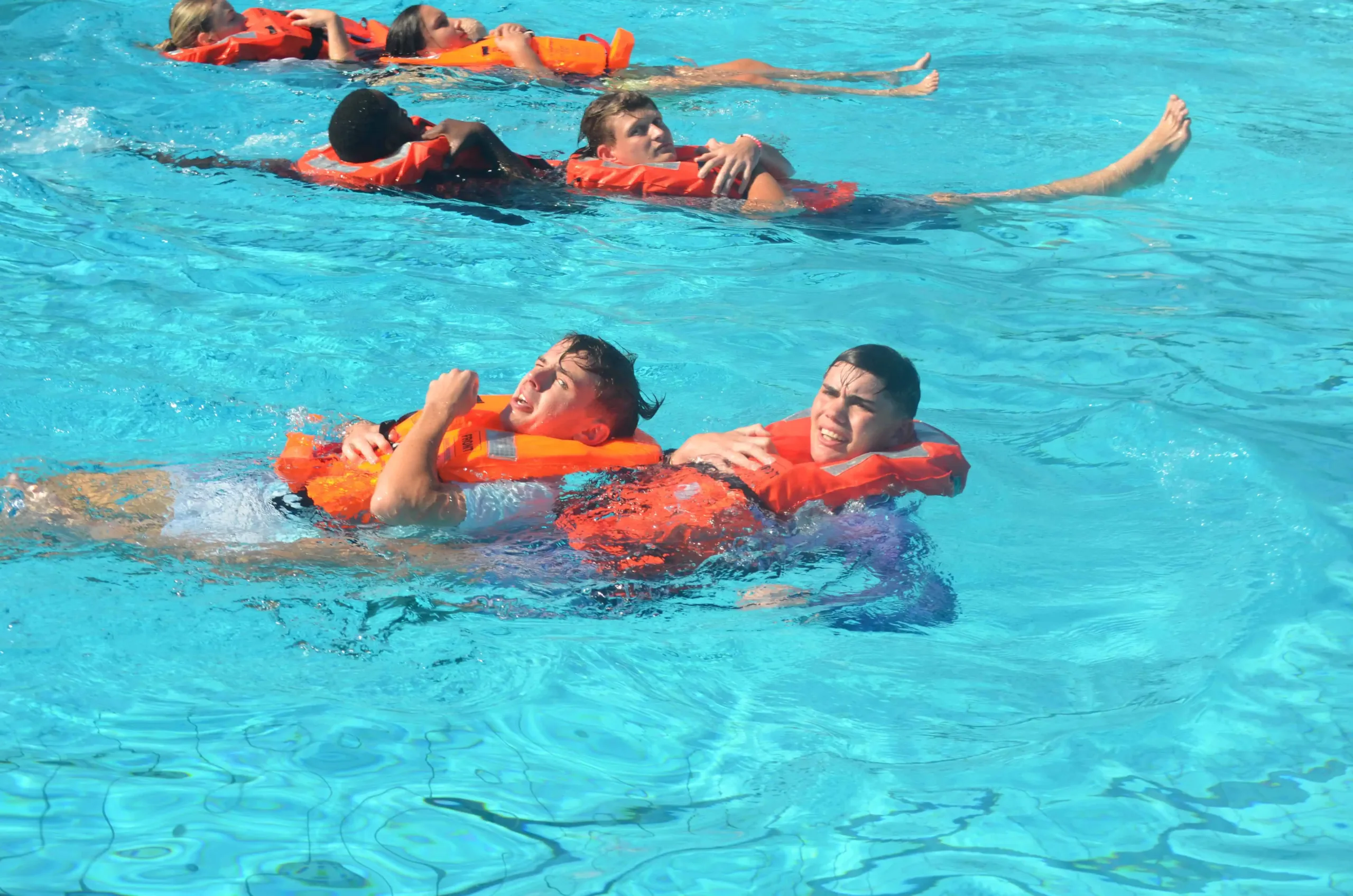
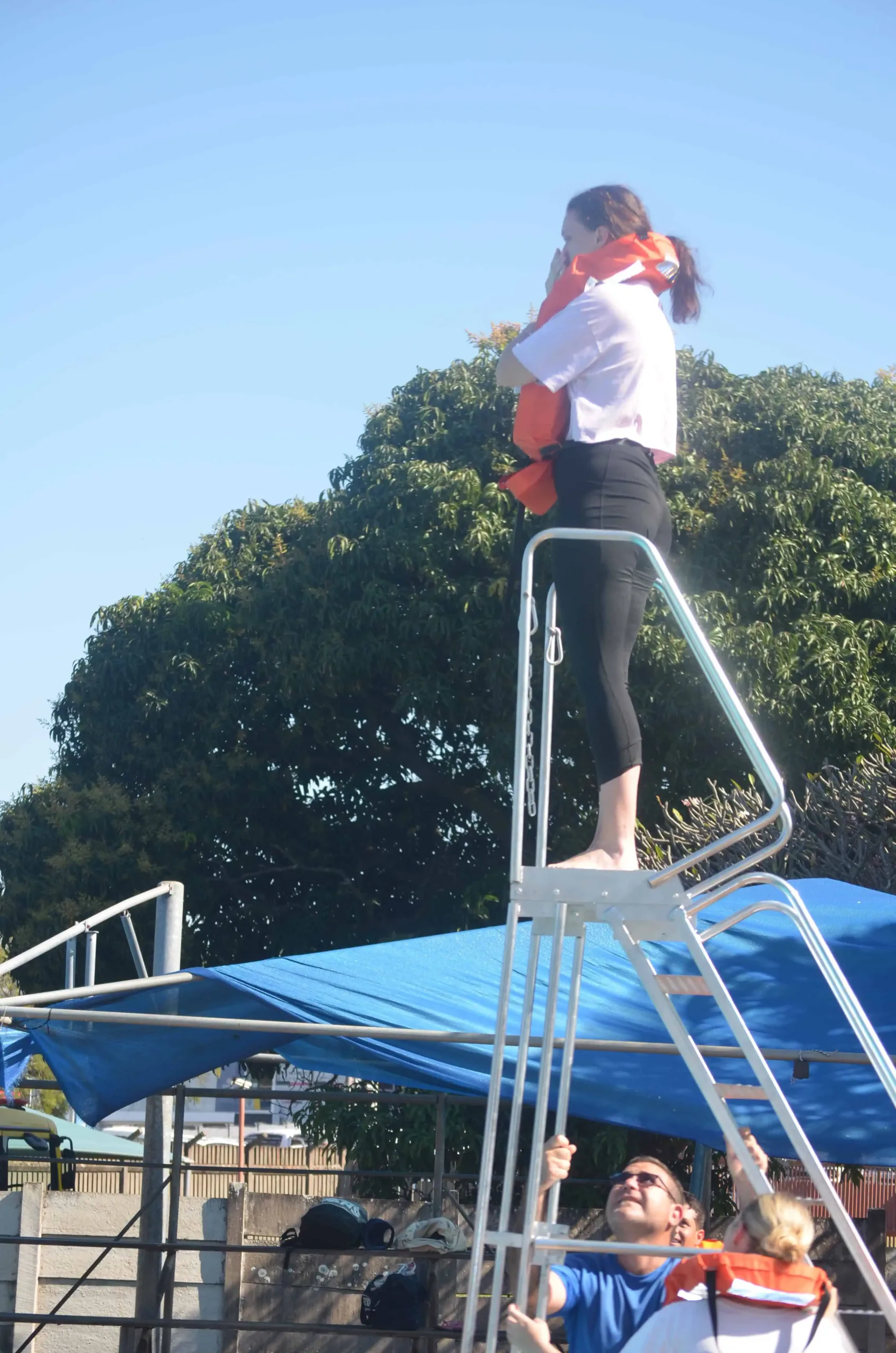
You’ll learn how to rescue an unconscious person in the water, right a life raft, board a life raft and respond appropriately in an abandon-ship situation.
Important: You must be able to swim at least 50 metres unaided and without a life jacket.
A-VI/1-2
Learn how to respond when every second counts.
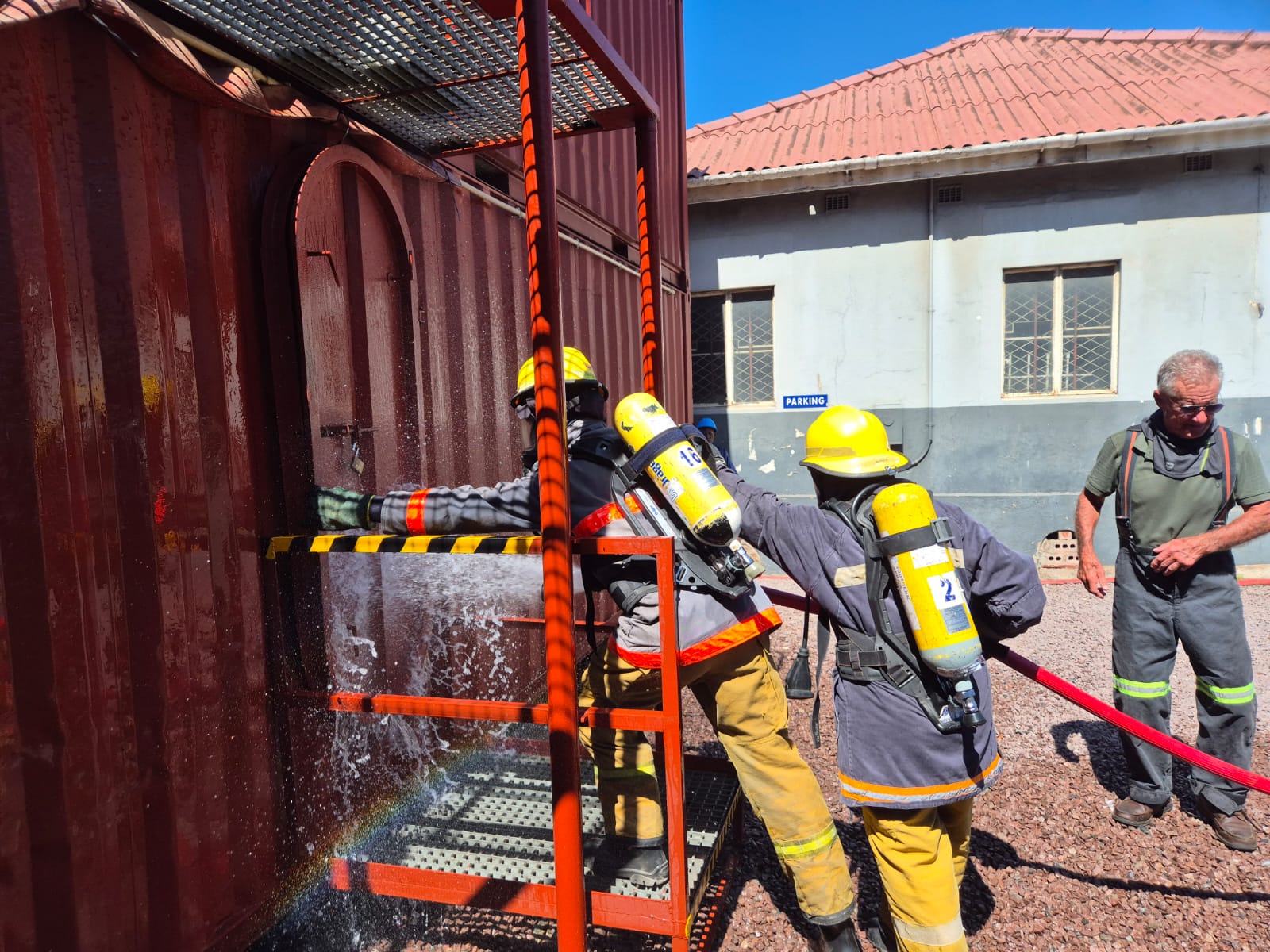
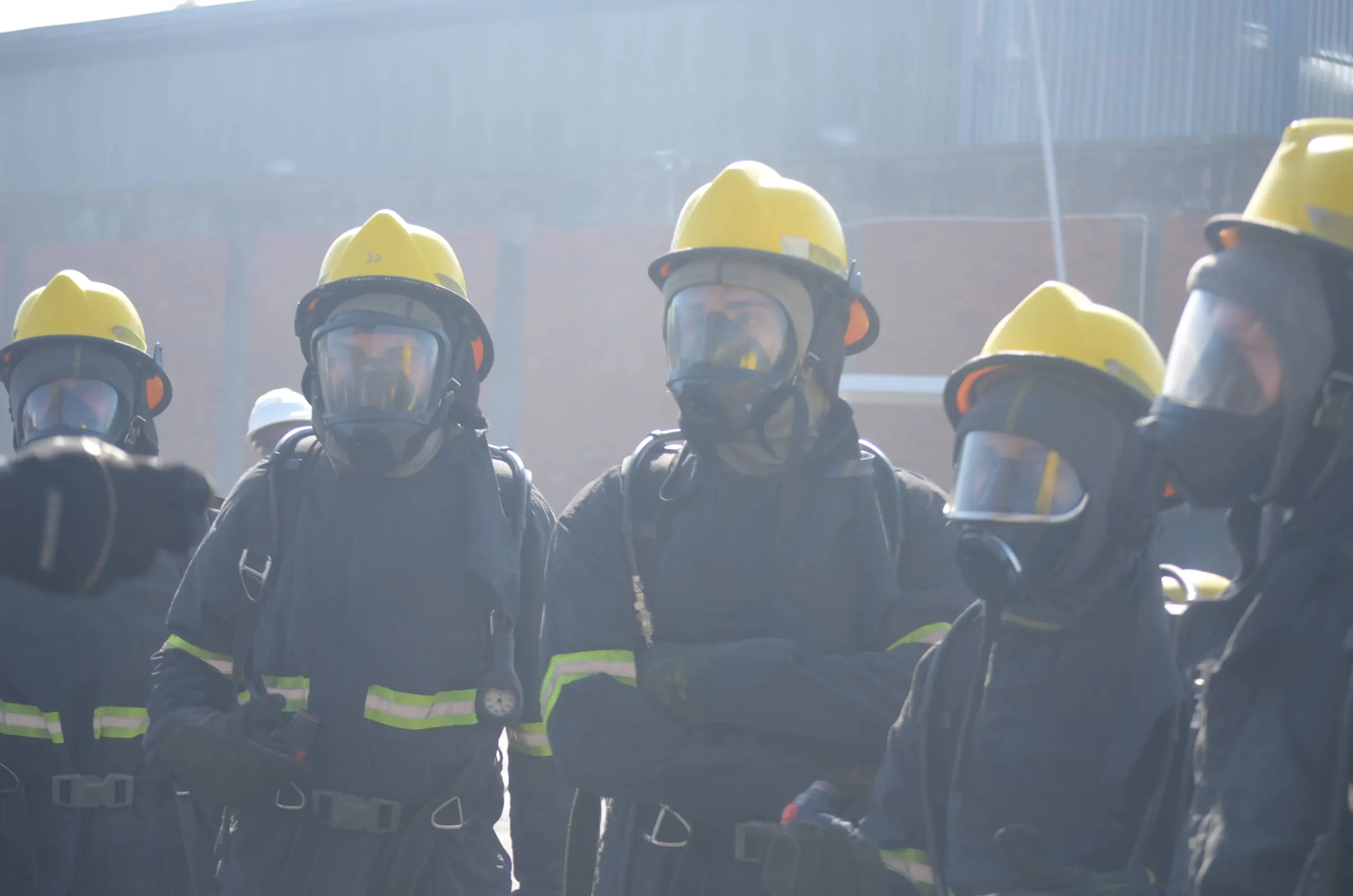
Fire is one of the most serious emergencies that can occur onboard a vessel – and every crew member needs to know how to respond.
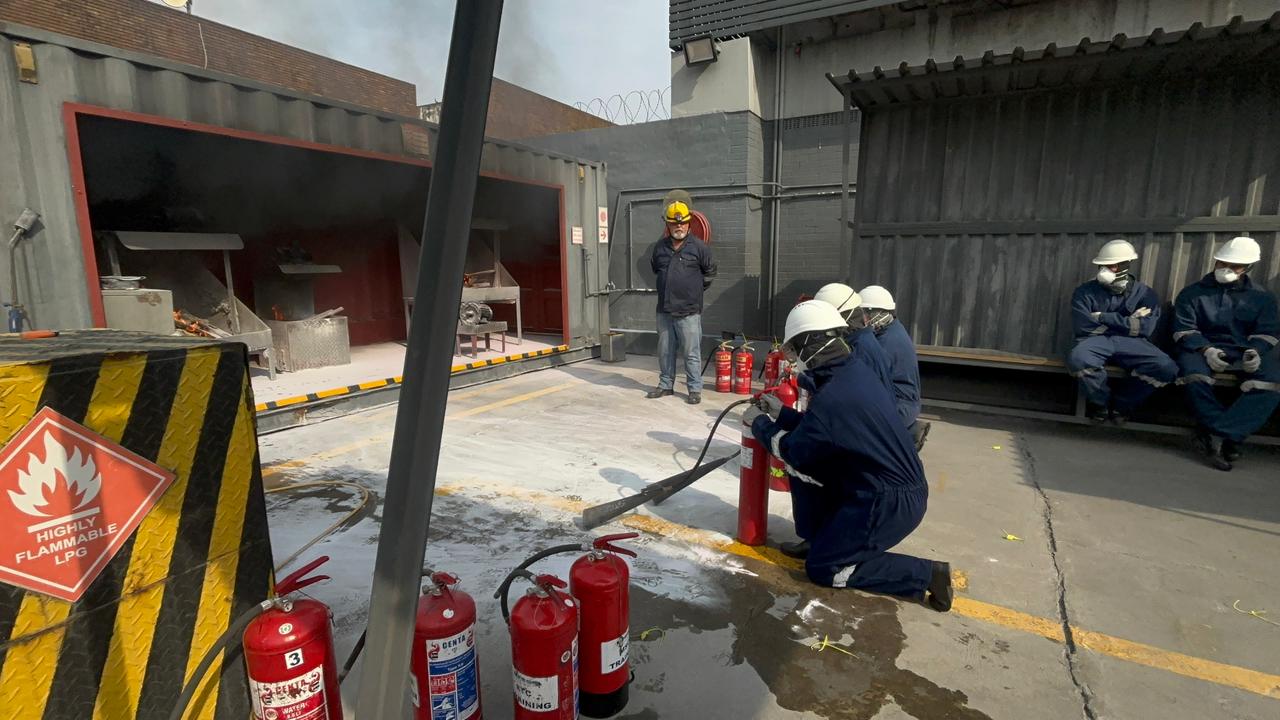
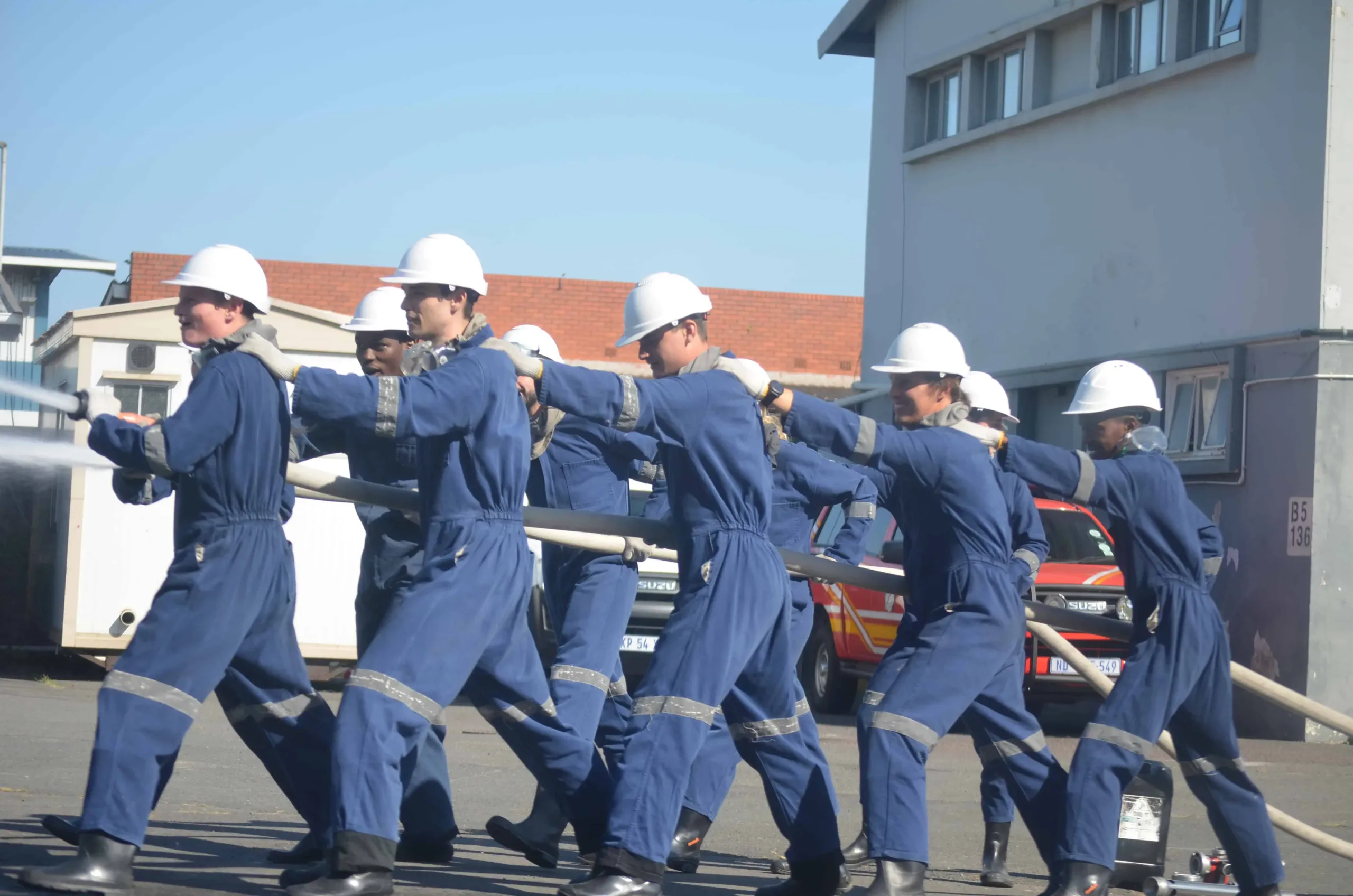
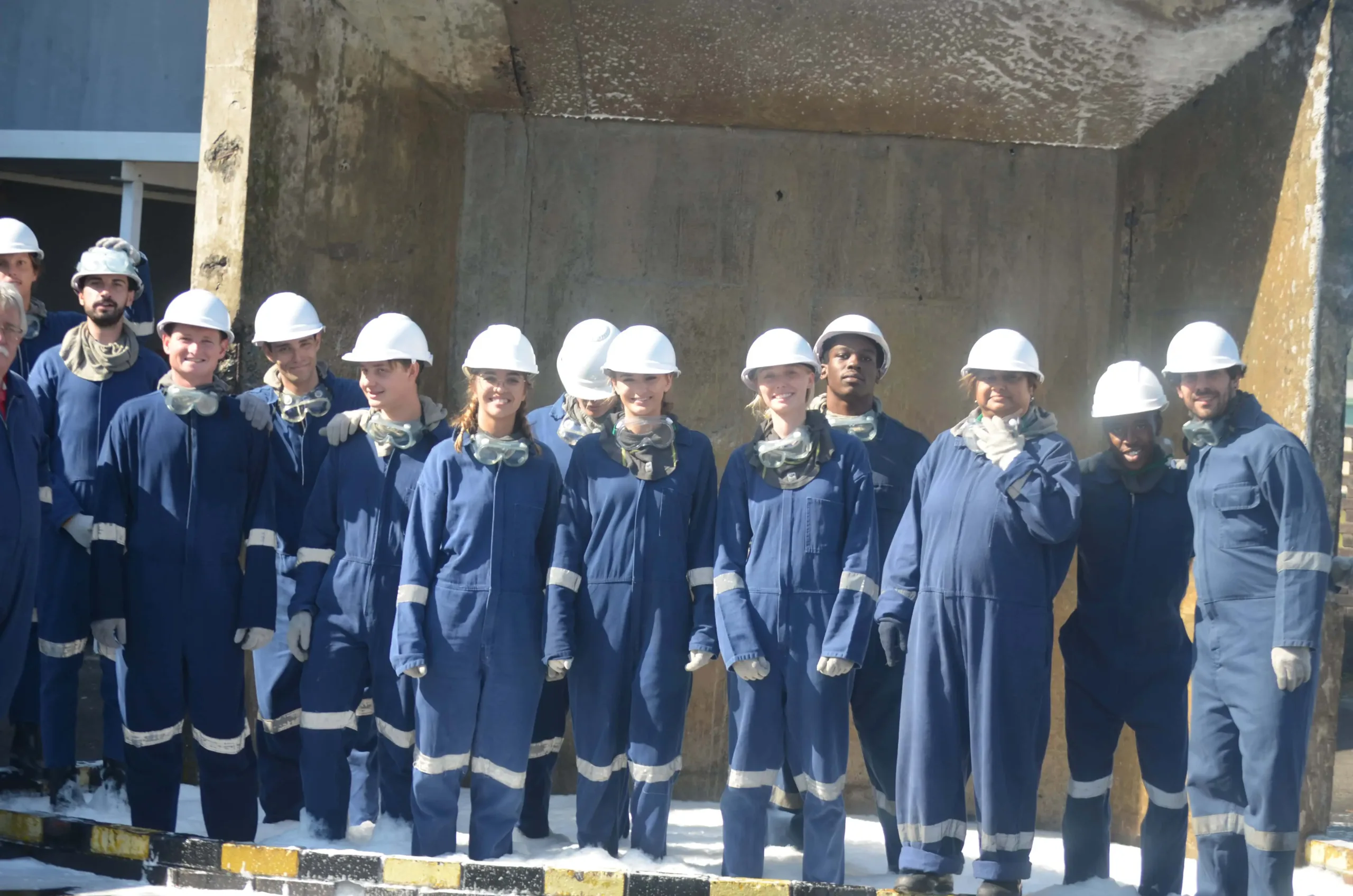
Over three days of theoretical and practical training, you’ll learn the theory and prevention of fire, fight fires using hoses and extinguishers, work as part of a firefighting team and practise rescuing crew members in dark conditions while using breathing apparatus.
Competence is assessed through both theory and practical sessions.
A-VI/1-3
Be prepared to help when you’re first on the scene.
When you’re at sea, immediate medical assistance may not always be close by.
This two-day module develops the basic skills needed to assist an injured or ill person until further help is available.
You’ll learn CPR, patient handling, wound dressing and fracture splinting, supported by basic instruction in anatomy and physiology.
The course concludes with an examination.
A-VI/1-4
Understand how to live and work safely as part of a professional crew.
Working onboard comes with a different environment, hierarchy and set of responsibilities from working ashore.
You’ll learn about the onboard chain of command, employee and employer rights, health and safety, conflict resolution and industry rules relating to alcohol, smoking and drugs, together with other important professional and contractual responsibilities.
Proficiency in Designated Security Duties (PDSD) prepares you for the additional security responsibilities you may be assigned as a yacht crew member. On yachts subject to the ISPS Code, PDSD is required when your role includes designated security duties, including those carried out as part of the watch schedule.
You’ll learn how to recognise security threats, control access to the yacht, carry out security inspections and use security equipment. From monitoring the gangway to supporting the yacht’s security procedures, this training helps you carry out your responsibilities confidently and keep everyone onboard secure.
WHY TRAIN AT PYT DURBAN?
✔ 26 years ✔ Internationally Recognised Qualifications ✔ MCA Approved; Practical Training ✔ Experienced & Friendly Instructors
START YOUR CAREER SOMEWHERE YOU’LL WANT TO COME BACK TO.
PYT has been training professional and leisure seafarers in Durban since 2000.
Over the years, PYT has grown into an established maritime academy, training everyone from students taking their first steps into the industry to experienced professionals progressing to Officer of the Watch and Captain qualifications.
We are also the only training school in South Africa offering the MCA career progression courses, giving our students the opportunity to start their training with PYT and return as their careers progress.
We offer courses approved by the Maritime and Coastguard Agency (MCA) and International Yacht Training Worldwide (IYT)
PYT offers training pathways from entry-level courses through to Masters 3000 GT, allowing students to return as their careers progress.
Get In Touch
Call us today at +27313074992
WHAT WILL I ACTUALLY LEAVE KNOWING HOW TO DO?
By the end of your STCW training, you’ll know how to:
✓ Respond to an emergency at sea
✓ Right and board a life raft
✓ Assist others in survival situations
✓ Fight a fire and work within a firefighting team
✓ Perform CPR and basic first aid
✓ Respond to common onboard injuries
✓ Recognise and report security threats
✓ Understand onboard safety, hierarchy and responsibilities
They’re skills you may one day need to protect yourself, your fellow crew, your passengers and your vessel.
WHO IS STCW FOR?
STCW Basic Training is for people beginning or pursuing professional work at sea.
It could be the right starting point if:
✓ You’ve just finished school and are considering a career in yachting
✓ You want to work as professional yacht crew
✓ You’re interested in becoming a deckhand or interior crew member
✓ You’re preparing for your first professional role at sea
✓ You require STCW safety training for your maritime role
✓ You’re building the qualifications needed for a professional maritime career
Many students arrive at PYT at the very beginning of their maritime journey.
You don’t need to understand every qualification, certificate and career pathway before contacting us.
Tell us where you’d like to go, and our team can help you understand the training you’ll need to get started.
WHAT DOES “MCA APPROVED” ACTUALLY MEAN?
The Maritime and Coastguard Agency (MCA) is an executive agency of the UK Government responsible for maritime safety and regulation.
It plays an important role in professional yachting, with MCA qualifications and training pathways widely used across the international industry.
WHAT DOES THAT MEAN FOR YOU?
An MCA-approved course isn’t simply a course a training school has put together itself.
The course and its delivery must meet the applicable standards set by the MCA.
For you, that means:
✓ Recognised professional standards
Your training is delivered against established maritime requirements.
✓ Confidence in what you’re paying for
You’re training through an approved provider whose applicable courses must meet MCA requirements.
✓ Training built for a professional environment
You’re preparing to work at sea, not simply learning recreational boating skills.
✓ Somewhere to progress
PYT offers MCA-approved training from entry-level courses through to advanced professional qualifications.

FOR PARENTS
YOUR CHILD WANTS TO WORK ON A SUPERYACHT. NOW WHAT?
If nobody in your family has worked in the maritime industry before, terms like STCW, MCA, Yacht Rating and RIB Master can make the entire process feel complicated.
That’s completely understandable.
The important thing is to ensure that your son or daughter receives appropriate professional training from an established, approved provider and understands the pathway required for the career they want to pursue.
PYT has been training maritime students for more than 25 years.
Our team is happy to explain:
- What STCW training involves
- Why the qualification is required
- What MCA approval means
- What training may be needed next
- What your son or daughter can expect during their course
- The potential career progression within professional yachting
You don’t need to understand the industry before you call us.
That’s what we’re here for.
FREQUENTLY ASKED QUESTIONS
WHAT OUR STUDENTS SAY
MAKE SURE YOU START IT WITH THE RIGHT TRAINING.
Complete your STCW Basic Training in Durban with an established maritime academy and approved MCA training provider.
Whether you’re taking your first step into professional yachting or adding essential safety training to your maritime qualifications, PYT is ready to help you get started.
[email protected]
+27 (0)31 307 4992
PYT DURBAN | EST. 2000
Proud to be an approved MCA training provider.
Scan or click the QR code join the Whatsapp community group.